

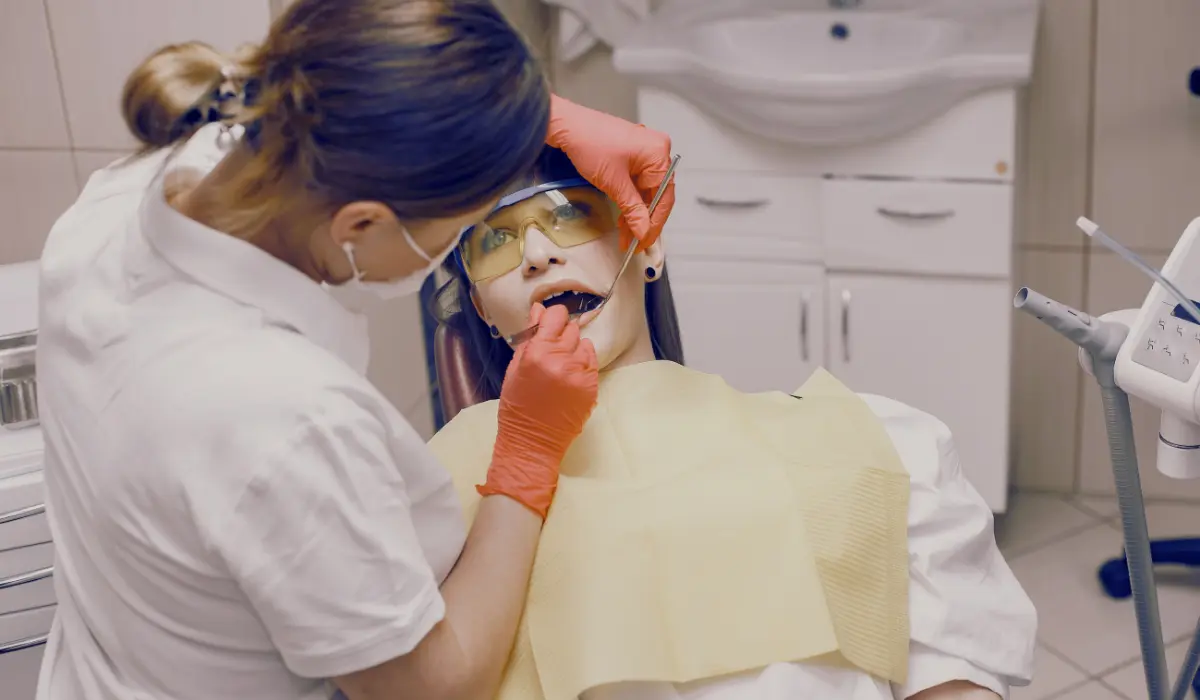
Pain after root canal treatment can feel worrying, especially if you expected the tooth to feel better right away. Mild soreness, pressure, or tenderness is common for a few days because the tooth and nearby tissues need time to heal.
However, pain should slowly improve. If the pain becomes stronger, feels throbbing, comes with swelling, or makes chewing difficult, it may need a dental check.
Is Pain After a Root Canal Normal?
Yes, mild pain after a root canal can be normal. The dentist removes infected or inflamed tissue from inside the tooth, but the area around the root may still be irritated.
This discomfort usually feels like soreness, pressure, or tenderness when biting. It should become easier each day. Pain that gets worse is not something to ignore.
How Long Should Pain Last After a Root Canal?
Most people feel better within a few days. Some tenderness can last longer if the tooth was badly infected before treatment.
A simple way to judge healing is by the trend. Pain should move from stronger to lighter, not from mild to severe. If your tooth still hurts badly after a week, call your dentist.
Root Canal Recovery Time and Treatment
Root canal recovery time is usually short for most people. Mild soreness, pressure, or chewing tenderness may last for a few days after treatment. If the tooth had a deep infection or abscess before the procedure, healing can take a little longer.
During root canal treatment, the dentist removes infected or inflamed pulp from inside the tooth, cleans the root canals, and seals the space to protect the tooth. Even after the inside of the tooth is treated, the surrounding gum, ligament, and bone may still feel sensitive while they heal.
Most people can return to normal daily activities soon after a root canal. However, it is best to avoid chewing hard foods on the treated tooth until the final filling or crown is placed. This helps protect the tooth and may reduce pain after root canal treatment.
Common Causes of Pain After Root Canal
1. Healing Around the Root
Even after the infected pulp is removed, the bone and gum around the root may stay sensitive for a short time. This is more common when the tooth had an abscess, swelling, or deep infection before treatment.
This type of pain usually improves with time and proper aftercare.
2. Inflammation From Treatment
A root canal is a detailed dental procedure. The tooth is cleaned, shaped, disinfected, and sealed. Nearby tissues can become irritated during this process.
This can cause mild soreness when chewing or touching the tooth. It does not always mean the treatment failed.
3. High Bite or Uneven Filling
If your treated tooth feels taller than the others, the bite may be too high. This can cause pain when chewing and may feel like tooth pain after filling.
A dentist can usually adjust the bite quickly to reduce pressure and soreness.
4. Infection Was Severe Before Treatment
If the tooth had a strong infection before the root canal, healing may take longer. The tooth may feel tender while the body clears inflammation around the root.
Still, swelling, pus, fever, or worsening pain should be checked.
5. Temporary Filling or Crown Issue
Some teeth need a permanent crown after root canal treatment. Until the final restoration is placed, the tooth may be weaker.
Chewing hard foods too soon can irritate the tooth or damage the temporary filling. Follow your dentist’s instructions carefully.
Pain When Biting After Root Canal
Pain when biting is one of the most common concerns after a root canal. It may feel like pressure, sharp pain, or soreness when the upper and lower teeth touch.
Possible reasons for pain when biting after a root canal include a slightly high filling, continued tooth inflammation, irritation in the surrounding ligament, a small crack in the tooth, or infection that has not fully settled. If the bite pain does not improve, avoid chewing on that side because repeated pressure can make root canal pain worse. A dentist can check the treated tooth, test your bite, and find the exact cause of the discomfort.
Throbbing Pain After Root Canal
Throbbing pain is more concerning than mild soreness. It may suggest ongoing inflammation, pressure, or infection around the treated tooth.
Call your dentist if throbbing pain:
- Gets worse after the first few days
- Comes with swelling
- Wakes you at night
- Spreads to the jaw, ear, or face
- Returns after the tooth felt better
The sooner the cause is checked, the easier it may be to treat.
Normal Pain vs Warning Signs
Mild soreness for a few days is usually normal after a root canal. It often means the tissue around the tooth is healing.
Light chewing tenderness can sometimes happen because of inflammation or a slightly high bite. If it improves day by day, it is usually less concerning.
Sharp pain when biting should be checked by a dentist. It may happen because of a bite issue, tooth crack, or irritation around the treated tooth.
Throbbing pain is not ideal, especially if it gets worse. It may suggest infection, pressure, or continued inflammation.
Swelling in the gum or face is not normal after a root canal and may be a sign of infection.
Fever or bad taste should also be checked quickly because it may point to a dental infection.
How to Reduce Pain After Root Canal?
You can support healing and reduce pain after root canal treatment with simple care steps. Eat soft foods for the first few days, and avoid chewing on the treated tooth until your dentist says it is safe. Hard candy, ice, nuts, crunchy snacks, and sticky foods can increase tooth pain after root canal treatment or damage a temporary filling.
Take pain medicine only as directed, brush and floss gently, and keep all follow-up appointments. If your dentist recommends a final crown or filling, get it done on time to protect the tooth. Also, avoid testing the tooth by biting again and again, because repeated pressure can make root canal pain and soreness worse.
Foods to Eat After Root Canal
Soft foods are easier on the treated tooth. Good options include soup, yogurt, eggs, mashed potatoes, smoothies, soft rice, pasta, oatmeal, and cooked vegetables.
Avoid sticky, hard, or chewy foods until your dentist says the tooth is ready. This is especially important if you still have a temporary filling.
When to Call a Dentist?
Call your dentist if the pain is severe, worsening, or not improving after several days. You should also call if the tooth hurts every time you bite.
Get urgent dental help if you have:
- Facial swelling
- Gum swelling
- Fever
- Pus or bad taste
- Severe throbbing pain
- Trouble opening your mouth
- Pain spreading to the jaw or ear
- A temporary filling or crown that falls out
These symptoms may need quick treatment.
Can a Root Canal Fail?
A root canal can sometimes need further treatment, but pain alone does not always mean failure. Many teeth feel sore while healing.
Possible reasons for continued pain include a high bite, missed canal, cracked tooth, reinfection, or delayed crown placement. Your dentist may check the tooth, take an X-ray, and decide the next step.
Final Thoughts
Pain after root canal treatment is often temporary and should improve within a few days. Mild soreness, pressure, and chewing tenderness can happen while the tooth heals after endodontic treatment information is followed correctly.
Severe pain, swelling, fever, bad taste, or pain that keeps getting worse should not be ignored. A quick dental check can help protect the treated tooth and prevent bigger problems.
FAQs
Yes, mild pain after root canal treatment can be normal for a few days. It should slowly improve as the tooth and surrounding tissues heal.
Most pain improves within a few days. If pain lasts more than a week, gets worse, or affects chewing, contact your dentist.
Bite pain may happen if the filling is too high, the tooth is inflamed, or the surrounding tissue is irritated. A dentist can check it.
Throbbing pain can be a warning sign, especially with swelling, fever, or bad taste. Call your dentist if throbbing pain gets worse.
Avoid hard, sticky, crunchy, or chewy foods on the treated tooth. Do not chew heavily until the permanent filling or crown is completed.
Worry if pain is severe, worsening, or linked with swelling, fever, pus, bad taste, or trouble opening your mouth. Seek dental care promptly.
Reference
American Association of Endodontists – Root Canal Treatment
https://www.aae.org/patients/root-canal-treatment/
NHS – Root Canal Treatment
https://www.nhs.uk/tests-and-treatments/root-canal-treatment/