

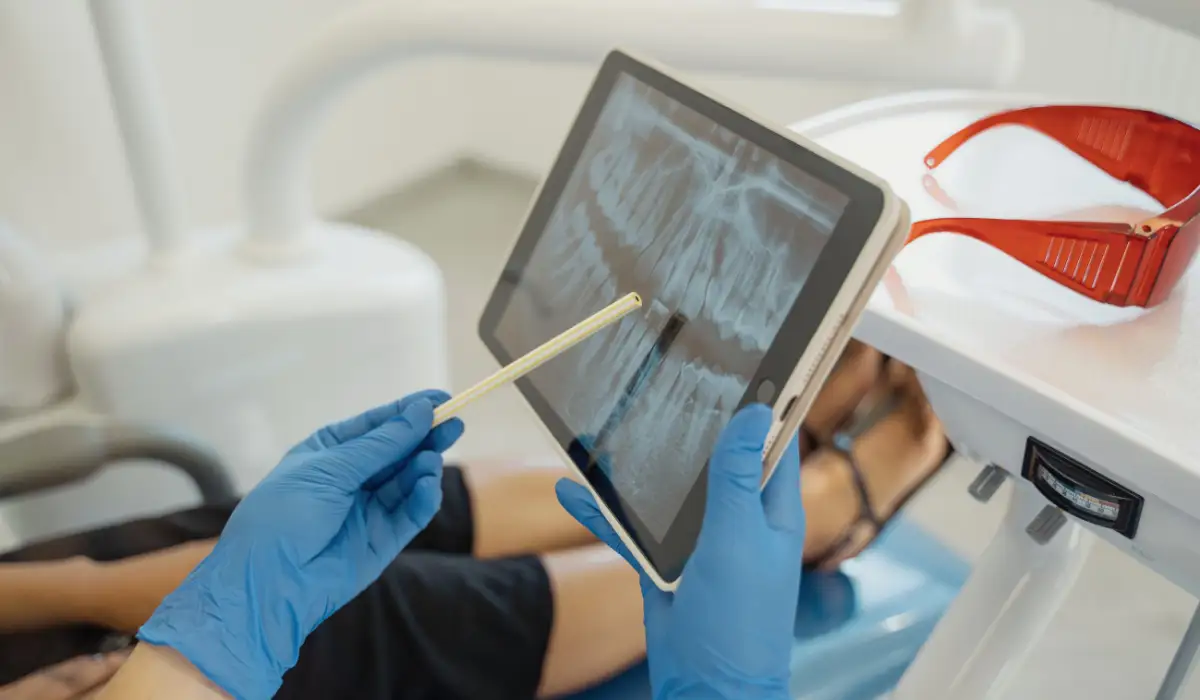
Root canal treatment side effects are usually mild and temporary. Most people may have tooth soreness, gum tenderness, jaw stiffness, or slight sensitivity for a few days after treatment, especially if the tooth was painful or infected before the procedure.
A root canal is done to remove infected or damaged pulp from inside the tooth. The canals are cleaned, filled, and sealed so the natural tooth can often be saved instead of removed.
What Side Effects Are Normal?
Some discomfort after a root canal is normal. The treated tooth and surrounding gums may feel sore because the area was inflamed before treatment and worked on during the procedure.
Common short-term effects may include mild pain, tenderness when biting, jaw soreness, gum irritation, and temporary numbness. These symptoms should slowly improve, not get worse.
Normal vs Concerning Side Effects
Mild soreness after a root canal is usually normal and often means the tissue is healing after treatment. Jaw stiffness can also be normal because the mouth stayed open during the visit. Slight swelling may happen sometimes, especially if infection was present before the procedure. Pain when biting may also occur and can mean the bite needs adjustment.
However, worsening throbbing pain, fever, or spreading swelling is not normal and may suggest remaining infection, inflammation, or a possible spreading dental infection that needs prompt dental care.
Common Root Canal Side Effects
Mild Tooth Pain
Mild tooth pain is one of the most common side effects after a root canal. The tooth may feel sensitive when chewing or touching it.
This pain often improves within a few days. If the pain becomes stronger or throbs, call your dentist because the tooth may need further attention.
Gum Tenderness
The gum near the treated tooth may feel sore after treatment. This can happen from the numbing injection, dental instruments, or inflammation around the tooth root.
Gentle brushing is usually okay, but avoid poking the area. If the gum becomes more swollen, starts draining pus, or feels worse after a few days, contact your dentist.
Jaw Soreness
Jaw soreness can happen because your mouth stays open during the procedure. This is more common after longer appointments or molar root canals.
Soft foods, gentle jaw movement, and rest may help. If your jaw locks, becomes very painful, or does not improve, get dental advice.
Temporary Numbness
Your mouth may stay numb for a few hours after treatment. Avoid eating until the numbness wears off so you do not accidentally bite your cheek, tongue, or lip.
Drinking water is usually fine, but hot drinks should be avoided while you are still numb because you may not feel heat properly.
Less Common Root Canal Complications
Root canal treatment is generally safe, but problems can happen. A canal may be narrow, curved, blocked, or hard to find. If bacteria remain inside the tooth, pain or infection may return.
A treated tooth can also become weak, especially if it had a large cavity or crack before treatment. Many back teeth need a crown after a root canal to protect them from breaking during chewing.
Can Infection Return After a Root Canal?
Yes, infection can return after a root canal in some cases. This may happen if a canal was missed, the filling leaks, the tooth cracks, or new decay forms around the tooth.
Possible signs include returning pain, swelling, bad taste, pus, or a small pimple-like bump on the gum. If this happens, the tooth may need retreatment, a new restoration, or another dental procedure.
How Long Do Side Effects Last?
Most mild root canal side effects improve within a few days. Some tenderness may last longer if the tooth had a deep infection, abscess, or severe inflammation before treatment.
Pain should slowly improve. If symptoms get worse after the first few days, or if swelling spreads, do not wait. A dentist should check the tooth.
What to Eat After a Root Canal?
Soft foods are usually best during the first day or two. Good choices include soup, yogurt, smoothies, mashed potatoes, soft rice, pasta, and scrambled eggs.
Avoid hard, sticky, crunchy, or chewy foods until your dentist says the tooth is ready. This matters more if you have a temporary filling or still need a crown.
How to Reduce Discomfort After Treatment?
Follow your dentist’s aftercare instructions carefully. Take pain medicine only as directed and avoid chewing on the treated tooth until your final filling or crown is complete.
Keep the area clean with gentle brushing and flossing. Do not smoke if possible, because smoking can affect oral healing and raises the risk of dental problems over time.
When to Call a Dentist?
Call your dentist if pain gets worse instead of better, swelling increases, your bite feels too high, the temporary filling comes out, or you notice pus, fever, or a bad taste.
Seek urgent care if you have facial swelling, trouble swallowing, trouble breathing, swelling near the eye or neck, or severe weakness. These can be signs of a spreading dental infection.
How to Prevent Problems After a Root Canal?
Good aftercare lowers the chance of complications. Keep follow-up appointments, complete the final filling or crown, and avoid chewing hard foods on the treated tooth too early.
Long-term prevention also matters. Brush twice daily, floss once daily, limit sugary snacks, and visit your dentist regularly. Treating cavities and cracked fillings early can help prevent future root canal infections.
Final Thoughts
Root canal treatment side effects are usually manageable and temporary. Mild tooth soreness, gum tenderness, jaw stiffness, and short-term sensitivity are common during recovery.
Severe pain, spreading swelling, fever, pus, or breathing and swallowing trouble are not normal. If symptoms worsen or feel unusual, contact a dentist quickly instead of waiting for the problem to pass.
FAQs
Common side effects include mild tooth soreness, gum tenderness, jaw stiffness, temporary numbness, and sensitivity when chewing. These usually improve within a few days.
Mild pain can be normal after a root canal, especially if the tooth was infected. Worsening, throbbing, or long-lasting pain needs dental evaluation.
Soreness often improves within a few days. If pain lasts longer, gets stronger, or affects eating and sleep, contact your dentist.
Mild swelling may happen if infection was present before treatment. Increasing swelling, facial puffiness, fever, or pus should be checked quickly.
Yes, infection can return if bacteria remain, the tooth cracks, or the restoration leaks. Returning pain, swelling, or bad taste needs dental care.
Call a dentist for worsening pain, swelling, fever, pus, bad taste, loose filling, or bite problems. Breathing or swallowing trouble needs urgent care.
Reference
- American Association of Endodontists – Root Canal Explained. (American Association of Endodontists)
- American Association of Endodontists – What Is a Root Canal? (American Association of Endodontists)