

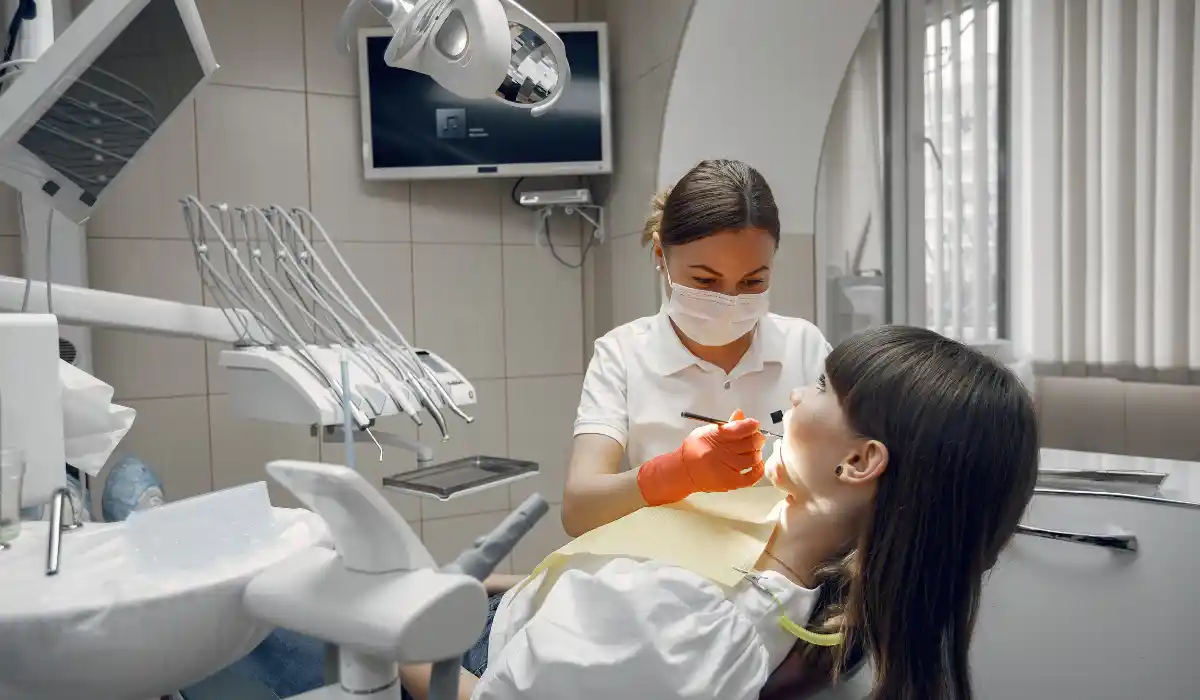
Tooth pain after filling is common, especially in the first few days after dental work. A filling repairs a cavity or damaged tooth, but the tooth and surrounding gum can feel sensitive while the area settles. This discomfort can happen when eating, drinking, biting, brushing, or breathing in cold air.
In many cases, mild sensitivity after a filling improves on its own. However, pain that becomes severe, lasts too long, or affects your bite should not be ignored. Understanding what is normal and what needs dental attention can help you protect the filled tooth and avoid future problems.
Is Tooth Pain After Filling Normal?
Mild tooth sensitivity after a filling is usually normal. The tooth may react to cold drinks, hot foods, sweet items, or pressure because the dental work can temporarily irritate the inner nerve area. Gum soreness can also occur near the treated tooth.
This type of pain should gradually improve. It often feels like a quick sharp sensation that goes away after the trigger is removed. If the pain is mild and getting better each day, it is usually part of the healing process.
Pain that lingers, gets worse, or wakes you up at night may point to a deeper issue. In that case, a dentist should check the tooth.
Common Causes of Tooth Pain After Filling
Tooth Sensitivity
Sensitivity is one of the most common reasons for pain after a dental filling. The tooth can feel sensitive to cold, heat, air, sugar, or brushing. This happens because the tooth structure has been treated and needs time to calm down.
Deep cavities are more likely to cause sensitivity because the filling is closer to the tooth nerve. The deeper the cavity, the more irritated the tooth may feel after treatment.
High Filling or Bite Pressure
A high filling means the filled tooth is slightly taller than it should be. Even a small height difference can cause pain when biting down. This may feel like sharp pressure, soreness, or the feeling that your teeth do not close normally.
A high filling usually does not fix itself. The dentist can adjust and polish the filling so your bite feels comfortable again.
Nerve Irritation
During a filling, the tooth nerve can become irritated, especially if the cavity was deep. This may cause temporary discomfort for a few days or weeks. The pain should slowly reduce as the nerve settles.
If the nerve irritation becomes severe or does not improve, the tooth may need further evaluation. In some cases, deep decay or nerve inflammation may require root canal treatment.
Cracked Tooth or Weak Tooth Structure
Sometimes pain after a filling happens because the tooth already had a crack or weakened structure. A filling can repair decay, but it may not fully solve pain caused by a crack. Pain when biting or releasing pressure can be a sign of a cracked tooth.
A dentist may recommend a crown or another treatment if the tooth needs stronger support.
Filling Material Sensitivity
Some people may feel temporary sensitivity after certain filling materials are placed. This does not always mean an allergy. Often, it is simply the tooth adjusting after the procedure.
If you notice swelling, rash, burning, or unusual irritation, contact your dentist for advice.
How Long Does Tooth Pain After Filling Last?
Mild sensitivity after a filling can last a few days to a couple of weeks. In some cases, especially after a deep filling, sensitivity can take longer to settle.
The key sign is improvement. If the pain is slowly getting better, the tooth is likely healing. If the pain stays the same, becomes stronger, or lasts beyond a few weeks, it is better to have the filling checked.
Home Relief for Tooth Pain After Filling
You can manage mild tooth pain after filling with simple care steps. Avoid very hot, cold, sweet, sticky, or hard foods until sensitivity improves. Chew on the opposite side of your mouth for a few days if biting feels uncomfortable.
Use a soft-bristled toothbrush and brush gently around the filled tooth. A toothpaste made for sensitive teeth may help reduce discomfort over time. Avoid whitening toothpaste if it makes sensitivity worse.
Over-the-counter pain relievers can help short-term discomfort, but always follow the label directions. People who are pregnant, taking blood thinners, or managing liver, kidney, stomach, or heart conditions should ask a healthcare professional before taking pain medicine.
When to Call a Dentist?
Call a dentist if tooth pain after filling lasts more than a few days without improvement, becomes severe, or causes sharp pain when biting. Pain that feels worse after the numbness wears off may also need attention if it does not settle.
Other warning signs include swelling, fever, pus, bad taste, throbbing pain, pain spreading to the jaw or ear, or sensitivity that lingers after hot or cold foods. These symptoms may suggest infection, nerve inflammation, a bite problem, or another dental issue.
Treatment Options for Ongoing Pain
Treatment depends on the cause of the pain. If the filling is too high, the dentist can adjust the bite. When the tooth is sensitive but healthy, the dentist may recommend desensitizing products or monitoring.
If decay was deep and the nerve is inflamed, additional treatment may be needed. A cracked or weakened tooth may need a crown for protection. In more serious cases, root canal treatment may be required to remove infected or damaged nerve tissue.
Final Thoughts
Tooth pain after filling is often temporary, especially when it feels like mild sensitivity to cold, heat, sweets, or pressure. Most discomfort improves as the tooth settles. Gentle brushing, avoiding triggers, chewing carefully, and using sensitive toothpaste can help.
Pain that gets worse, lasts too long, or causes trouble biting should be checked by a dentist. Early care can prevent bigger problems and help keep the filled tooth healthy.
FAQs
Tooth pain after filling can happen from sensitivity, nerve irritation, bite pressure, deep decay, gum soreness, or a high filling that needs adjustment.
Mild sensitivity may last a few days to a couple of weeks. If it gets worse or does not improve, a dentist should check it.
Biting pain may happen when the filling is too high, the tooth is cracked, or the nerve is irritated. A dentist can identify the cause.
Yes, a deep filling can irritate the tooth nerve because the cavity was close to the pulp. Some cases settle, while others need treatment.
Avoid hot, cold, sweet, and hard foods, brush gently, use sensitive toothpaste, chew on the other side, and take pain medicine only as directed.
You should worry if pain is severe, worsening, lasts more than a few weeks, causes swelling, or comes with fever, pus, or lingering sensitivity.
Reference
- Cleveland Clinic – Dental Fillings
https://my.clevelandclinic.org/health/treatments/17002-dental-fillings - American Dental Association – Oral Analgesics for Acute Dental Pain
https://www.ada.org/resources/ada-library/oral-health-topics/oral-analgesics-for-acute-dental-pain