

As many as 30% of impacted lower wisdom tooth extractions end in dry socket, and what a patient eats in the first week does more to prevent that than almost anything else. Diet isn’t a side note.
Knowing what to eat after wisdom teeth removal, and what to skip, protects the blood clot that forms in the empty socket and lets the tissue underneath knit back together without interruption.
Why the Recovery Diet Matters?
The empty socket left behind fills with a blood clot within hours. That clot is the foundation for everything that follows. It protects the bone and nerve endings while new tissue forms. In my experience, that clot’s fragile in the first 48 hours, and the wrong food or the wrong habit can pull it loose.
When the clot dislodges, the result is dry socket: exposed bone, sharp pain that radiates toward the ear, and a healing timeline that stalls. A careful wisdom teeth recovery diet is the single most controllable factor in dry socket prevention, which is why oral surgeons put so much weight on the first few days of eating.
Day 1: Liquids and Purees Only
For the first 24 hours, cold and smooth wins. Broth and thin soups, applesauce, and blended fruit are ideal, provided the soup has cooled to lukewarm or below. Heat encourages bleeding and irritates the site, so nothing steaming.
Smoothies without seeds work well here, but they must be spooned or sipped from the cup rather than pulled through a straw. Strawberry and kiwi blends hide tiny seeds that can lodge in the socket, so a smooth banana or mango base is the safer choice on day one.
Days 2 to 3: Soft and Cool
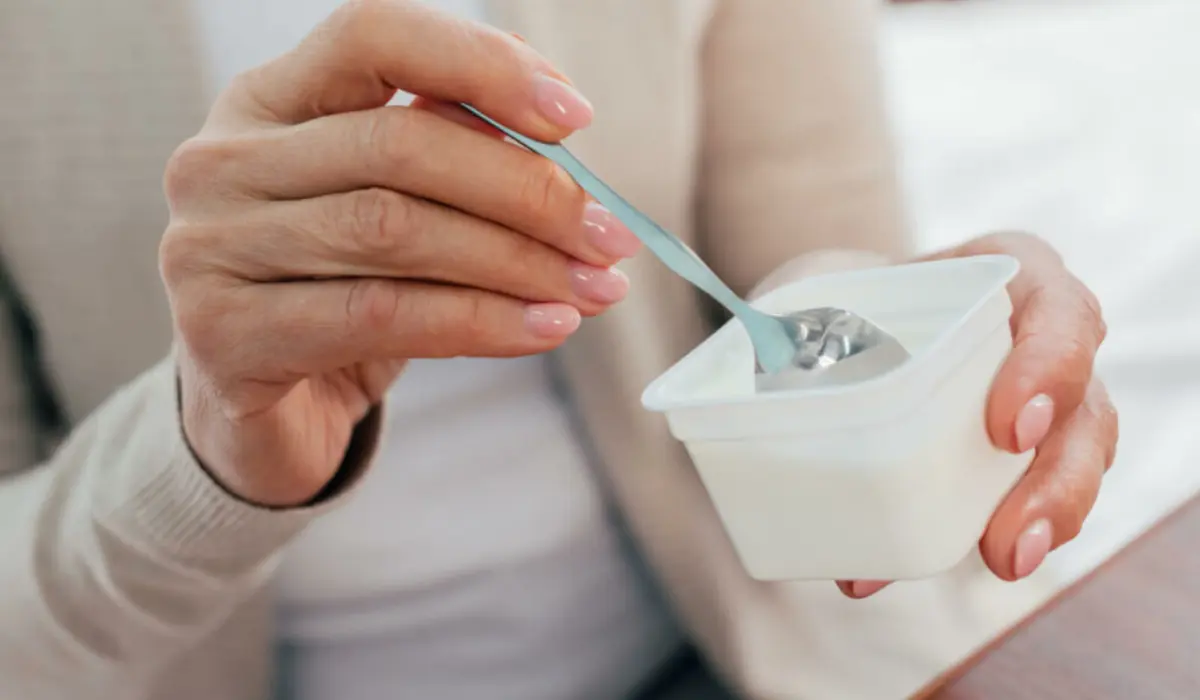
Once the initial bleeding settles, the menu widens a little. This is the stage where the classic soft foods after tooth extraction come in: mashed potatoes whipped smooth, scrambled eggs cooked soft, plain yogurt, and pudding.
Ice cream without mix-ins earns its reputation during these days. The cold reduces swelling and it slides down without chewing. Is ice cream safe after wisdom teeth removal? Yes, as long as it’s plain, with no nuts, cookie chunks, or hard candy pieces, and no straw involved for milkshakes.
Mashed potatoes deserve a note of caution. They should be loose and buttery, never stiff, because thick starch can cling to the extraction site. Thinning them with a little warm broth or milk helps.
Days 4 to 7: Easing Into Semi-Soft Foods
By the middle of the week, most people can handle a bit more texture. Scrambled eggs with soft cheese, well-cooked pasta, flaky fish, oatmeal, and ripe avocado all fit the bill. Applesauce and yogurt still make easy snacks between meals.
The rule is simple: if a food needs real chewing or breaks into sharp fragments, it waits. Mashed potatoes remain a reliable staple, and adding a little protein like shredded soft chicken keeps post surgery meals from feeling repetitive. Chewing should stay on the side away from the extraction sites.
Day 7 and Beyond: Bringing Back Solid Food
When can someone eat solid food after wisdom teeth removal? For most patients, reintroducing solid foods begins around days 5 to 7, once the tenderness fades and the sockets look clean. The process is gradual, not a switch.
Reintroducing solid foods works best one texture at a time: soft bread before toast, cooked vegetables before raw, tender meat before anything chewy. Full recovery typically takes 7 to 10 days, though deeper tissue under the gum keeps healing for several weeks. Anyone who feels a pull or ache when biting should drop back to softer foods for another day or two.
The Short List of Best Foods
The most dependable foods to eat after wisdom teeth removal, roughly in the order they become comfortable:
- Broth and thin soups, cooled to lukewarm
- Applesauce and blended, seed-free smoothies without seeds
- Mashed potatoes thinned with milk or broth
- Scrambled eggs and soft plain yogurt
- Ice cream without mix-ins, pudding, and cottage cheese
- Oatmeal, soft pasta, ripe avocado, and flaked fish by mid-week
What to Avoid While Healing?
Knowing what not to eat after wisdom tooth extraction is half the battle. Crunchy foods such as chips and nuts, sticky candy, and foods containing small seeds can become trapped in the socket or disturb the protective blood clot. Hot and spicy foods should also be avoided because heat and strong seasoning may irritate healing tissue and restart bleeding.
These precautions also support wisdom tooth pain relief by reducing irritation, swelling, and pressure around the extraction site. Cool, soft foods are usually more comfortable during the first few days and require less chewing.
Avoiding straws is especially important during early recovery. Suction can dislodge the blood clot and increase the risk of dry socket, so drinks should be sipped directly from a cup or glass.
It is generally sensible to avoid hot coffee for the first couple of days after wisdom tooth surgery. Once bleeding has stopped and the area feels more comfortable, cool or lukewarm coffee may be reintroduced without a straw. Follow the oral surgeon’s instructions, since recovery times can vary.
Habits That Protect the Clot
Beyond food, a few small habits carry most of the weight in dry socket prevention. Rinsing gently with warm salt water after day one keeps the area clean without force. Skipping tobacco and alcohol supports blood clot formation, since both slow healing and thin the protective clot.
Eating on the opposite side, keeping meals cool, and staying hydrated round out a solid wisdom teeth recovery diet. When pain sharpens instead of easing after day three, that’s the signal to call the surgeon rather than wait it out.
Conclusion
The whole day-by-day recovery timeline comes down to protecting one small clot until the body no longer needs the help. Cool, soft, and seed-free foods carry a patient through the first week. Solid food returns gradually from about day five, and the mouth feels close to normal within ten days. Patience with texture beats pushing too fast every time. I’ve found that’s the difference between smooth healing and a painful setback.
FAQs
Choose cool or lukewarm liquids and smooth foods such as broth, applesauce, yogurt, pudding, and seed-free smoothies. Avoid hot, crunchy, sticky, or chewy foods.
Many patients begin adding firmer foods after three to five days, depending on pain and healing. Reintroduce foods gradually and follow your oral surgeon’s instructions.
Plain, smooth ice cream is generally suitable because it requires little chewing. Avoid cones, nuts, candy pieces, cookie chunks, seeds, and drinking milkshakes through straws.
Avoid very hot coffee during early recovery because heat may encourage bleeding or irritate the wound. Let drinks cool and follow your dentist’s individual recommendations.
Suction from a straw may disturb the blood clot covering the extraction site. Avoid straws for at least 24 hours or longer when your surgeon advises.
Contact your dentist for severe pain developing one to three days after extraction, pain radiating toward the ear, an empty socket, bad breath, or unpleasant taste.