

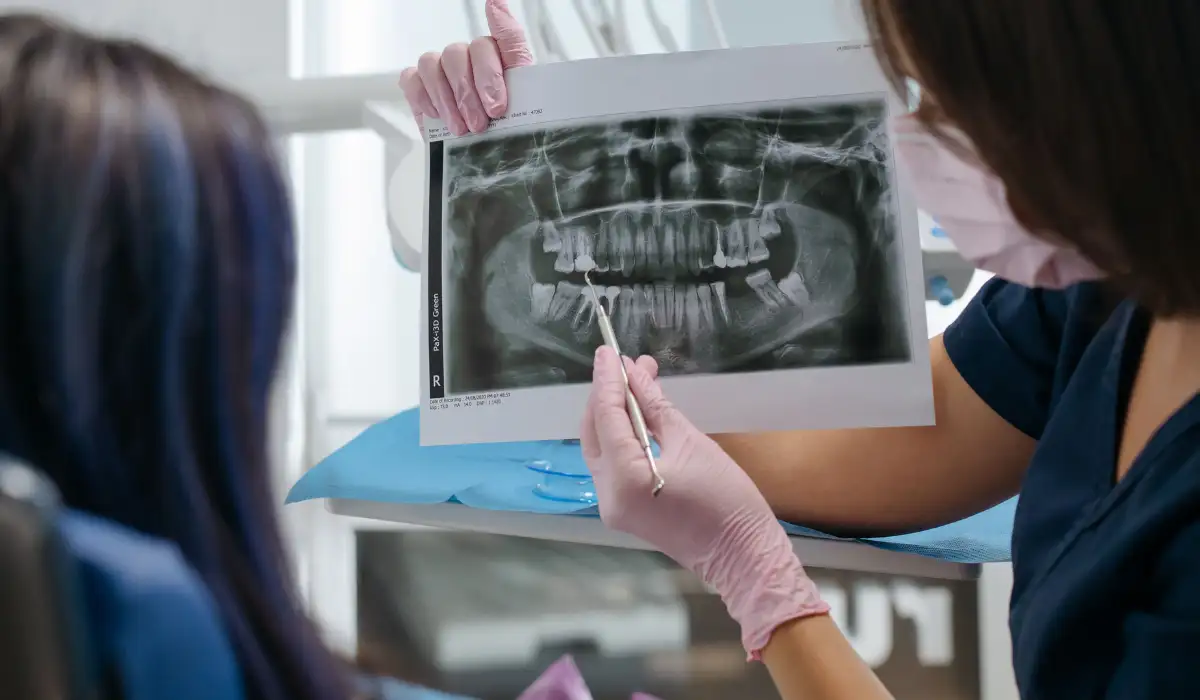
Wisdom tooth extraction is a dental procedure used to remove one or more third molars at the back of the mouth. It may be recommended when a wisdom tooth is impacted, painful, infected, decayed, damaging nearby teeth, or difficult to clean properly.
In many cases, the procedure is done by a dentist or oral surgeon using local anesthesia, sedation, or general anesthesia. However, not every wisdom tooth needs removal, so the decision should be based on symptoms, X-rays, oral health, and professional advice.
Wisdom Tooth Extraction
Wisdom tooth extraction removes a third molar when it is causing problems or likely to cause dental complications. Common reasons include pain, swelling, infection, gum disease, tooth decay, cysts, or damage to nearby teeth.
Recovery usually involves a few days of swelling, soreness, soft foods, gentle rinsing, and avoiding smoking, soft foods, gentle rinsing, and avoiding smoking, straws, alcohol, and hard foods. However, healing time can vary depending on the tooth position, number of teeth removed, and procedure difficulty.
Wisdom Tooth Extraction at a Glance
| Topic | What to know |
| Main purpose | Removes a problematic wisdom tooth |
| Common reasons | Pain, infection, impaction, decay, cyst, gum disease |
| Who performs it | Dentist or oral surgeon |
| Anesthesia options | Local anesthesia, sedation, or general anesthesia |
| Procedure time | Often short, but varies by difficulty |
| Recovery | Many people resume light activity within a few days |
| Foods after surgery | Soft foods, liquids, cool foods |
| Main risk | Dry socket, infection, bleeding, swelling, nerve irritation |
| Urgent signs | Severe worsening pain, fever, bad taste, heavy bleeding |
What Are Wisdom Teeth?
Wisdom teeth are the third molars at the very back of the mouth. They usually appear in the late teenage years or early adulthood.
Some people have all four wisdom teeth, while others have fewer or none. Also, some wisdom teeth come through normally and stay healthy.
However, problems can happen when there is not enough room for the tooth to erupt. As a result, the tooth may become trapped under the gum, partly covered, tilted, or stuck against another tooth.
Why Wisdom Tooth Extraction May Be Needed?
A dentist may recommend removal when a wisdom tooth is causing pain, swelling, infection, decay, gum disease, or damage to the second molar nearby.
In addition, a partially erupted wisdom tooth can trap food and bacteria under the gum. This may lead to gum infection, bad taste, swelling, jaw stiffness, or repeated discomfort.
Sometimes, an impacted wisdom tooth may also be linked with cyst formation or damage to nearby roots. Therefore, dental X-rays are often used to check the tooth’s position before treatment.
When a Wisdom Tooth May Not Need Removal?
Not every wisdom tooth needs to be removed. If the tooth has fully erupted, is healthy, easy to clean, and does not affect nearby teeth, your dentist may simply monitor it.
However, monitoring still matters. Wisdom teeth are far back in the mouth, so they can be harder to brush and floss properly.
As a result, your dentist may check them during routine dental visits and compare X-rays over time. If symptoms or disease develop later, removal may be discussed again.
Symptoms That May Point to a Wisdom Tooth Problem
Wisdom tooth problems can cause mild symptoms at first. However, they may become more painful if infection, pressure, or decay develops.
Common symptoms may include:
- Pain behind the last molar
- Swollen or tender gums
- Jaw stiffness
- Bad taste or bad breath
- Trouble opening the mouth
- Food trapping near the tooth
- Pain while chewing
- Swelling around the jaw
- Repeated gum infection
- Tooth decay near the wisdom tooth
Still, some impacted wisdom teeth cause no symptoms. Therefore, X-rays and dental exams are important when deciding whether treatment is needed.
Types of Wisdom Tooth Extraction
Wisdom tooth removal may be simple or surgical. The type depends on whether the tooth has fully erupted, how it is angled, and whether bone or gum tissue covers it.
Simple Extraction
A simple extraction may be used when the wisdom tooth has fully come through the gum and can be removed like other teeth.
The dentist loosens the tooth and removes it from the socket. Usually, this is done with local anesthesia.
Surgical Extraction
A surgical extraction is more common for impacted wisdom teeth. In this case, the dentist or oral surgeon may make a small gum incision.
Sometimes, bone must be removed, or the tooth may be divided into smaller pieces. Afterward, stitches may be placed if needed.
What Happens Before the Procedure?
Before wisdom tooth extraction, your dentist or oral surgeon will review your symptoms, medical history, medicines, allergies, and X-rays.
Also, tell your provider if you take blood thinners, diabetes medicine, immune-suppressing medicine, or regular supplements. These details can affect bleeding risk, healing, and anesthesia planning.
In addition, ask whether you need someone to drive you home. This is especially important if sedation or general anesthesia will be used.
What Happens During Wisdom Tooth Extraction?
First, the dental team numbs the area or gives sedation based on the treatment plan. Therefore, you should not feel sharp pain during the procedure.
Next, the dentist or oral surgeon loosens and removes the tooth. If the tooth is impacted, they may open the gum, remove some bone, or section the tooth.
Finally, the area is cleaned, gauze is placed, and stitches may be used. After that, you will receive recovery instructions before going home.
Wisdom Tooth Extraction Recovery Timeline
Recovery varies, but most people have the most swelling and soreness during the first few days. However, symptoms should gradually improve.
| Time after extraction | What may happen |
| First 24 hours | Bleeding, numbness, swelling, mild pain |
| Days 2–3 | Swelling and soreness may peak |
| Days 4–7 | Pain should start improving |
| Week 1–2 | Gum tissue continues healing |
| Several weeks | Deeper socket healing continues |
Overall, a simple extraction may heal faster than a difficult surgical extraction. Also, removing multiple teeth at once may cause more swelling and soreness.
What to Eat After Wisdom Tooth Removal?
Soft foods are usually best after wisdom tooth removal. For example, yogurt, smoothies without a straw, mashed potatoes, soup that is not hot, applesauce, scrambled eggs, and soft pasta may be easier to tolerate.
However, avoid hard, crunchy, spicy, sticky, or seedy foods at first. These foods may irritate the socket or get trapped in the wound.
Also, avoid very hot drinks during early healing. Instead, choose cool or lukewarm foods and fluids until your dentist says your mouth is healing well.
Pain Control After Wisdom Tooth Extraction
Some pain is normal after wisdom tooth removal. However, pain should become easier to manage as the days pass.
Your dentist may recommend over-the-counter pain relievers, prescription medicine, or a specific pain-control schedule. In addition, cold packs may help with swelling during the first day.
Do not take more medicine than directed. Also, avoid alcohol if you are taking prescription pain medicine or antibiotics.
How to Prevent Dry Socket?
Dry socket can happen when the protective blood clot is lost or does not form properly in the socket. As a result, bone and nerves may become exposed, causing severe pain.
To reduce the risk, avoid smoking, drinking through a straw, forceful spitting, vigorous rinsing, and hard foods during early healing. Also, follow your dentist’s cleaning instructions carefully.
Normal Healing vs Dry Socket
Some pain, swelling, and mild bleeding can happen after extraction. However, normal pain usually improves over time and responds to recommended pain medicine.
Dry socket pain often starts or worsens 1 to 3 days after extraction. It may feel severe, radiate toward the ear or temple, and come with bad taste or bad breath.
If pain suddenly gets worse instead of better, contact your dentist. Early treatment can help relieve pain and protect healing.
Possible Risks and Complications
Wisdom tooth extraction is common, but complications can happen. Possible risks include dry socket, infection, bleeding, swelling, bruising, jaw stiffness, delayed healing, and pain.
In lower wisdom teeth, nearby nerves can sometimes be irritated or injured. This may cause numbness or tingling in the lip, chin, tongue, or gums.
Although nerve symptoms often improve, they should be reported. Also, contact your dentist if symptoms are severe, worsening, or unusual.
When to Call a Dentist?
Call your dentist or oral surgeon if bleeding does not stop, pain gets worse, swelling increases, or pain medicine does not help.
Also, seek care if you notice fever, pus, bad taste, worsening breath, trouble swallowing, trouble breathing, or numbness that does not improve.
These symptoms may suggest dry socket, infection, or another complication that needs professional care.
Wisdom Tooth Extraction Cost
Wisdom tooth extraction cost can vary based on location, dentist or oral surgeon fees, anesthesia type, X-rays, number of teeth removed, and whether the tooth is impacted.
A simple extraction usually costs less than a surgical extraction. However, sedation or general anesthesia may increase the total cost.
For transparency, ask for a written estimate before treatment. You can also add this external anchor:
Questions to Ask Your Dentist
Ask whether your wisdom tooth is impacted, infected, decayed, or affecting nearby teeth. Also, ask whether removal is necessary now or whether monitoring is reasonable.
In addition, ask what type of anesthesia will be used, how many teeth will be removed, and how long recovery may take.
Finally, ask what symptoms are normal, what symptoms are urgent, and when you should return for follow-up care.
How to Prepare for Wisdom Tooth Extraction?
Before the appointment, follow your provider’s instructions about eating, drinking, and medicines. This is especially important if sedation or general anesthesia is planned.
Also, arrange transportation if needed. After sedation, you should not drive yourself home.
In addition, prepare soft foods, clean gauze, cold packs, and any recommended medicines before surgery day. As a result, recovery at home may feel easier.
What to Avoid After Wisdom Tooth Extraction?
- Avoid smoking, vaping, and alcohol during early healing because they may slow recovery and increase the risk of complications.
- Do not drink through a straw, spit forcefully, or rinse too hard because these actions may disturb the blood clot.
- Avoid hard, crunchy, spicy, sticky, or sharp foods because they may irritate the extraction socket.
- Do not do heavy lifting or strenuous activity until your dentist says it is safe.
- Avoid touching the socket with your tongue, fingers, toothbrush, or any object because this can irritate the wound.
- Follow your dentist’s aftercare instructions carefully to support healing and reduce the risk of dry socket.
Conclusion
Wisdom tooth extraction may be needed when a third molar causes pain, infection, decay, gum disease, cysts, or damage to nearby teeth. However, healthy wisdom teeth may only need monitoring.
The safest approach is to get a dental exam, review X-rays, understand your options, and follow recovery instructions carefully. Good aftercare can reduce pain, protect the blood clot, and lower the risk of complications.
FAQs
You should not feel sharp pain during the procedure because anesthesia is used. However, pressure may be felt. Afterward, soreness and swelling are common, but pain usually improves with proper care and recommended medicine.
The procedure may take only a few minutes for a simple case. However, impacted teeth, multiple extractions, sedation, or surgical removal can take longer. Your dentist can estimate timing after reviewing X-rays.
Many people resume light daily activities within a few days. However, swelling, soreness, and jaw stiffness may last longer. Surgical or complicated extractions may need more recovery time.
Soft foods are best at first. For example, yogurt, applesauce, mashed potatoes, scrambled eggs, smoothies without a straw, and lukewarm soup may be easier to eat while the socket heals.
You can usually brush your other teeth carefully, but avoid disturbing the extraction site. However, follow your dentist’s instructions because timing may vary based on stitches, bleeding, and procedure difficulty.
Dry socket happens when the blood clot is lost or does not form properly. As a result, bone may be exposed, causing severe pain, bad taste, bad breath, and delayed healing.