

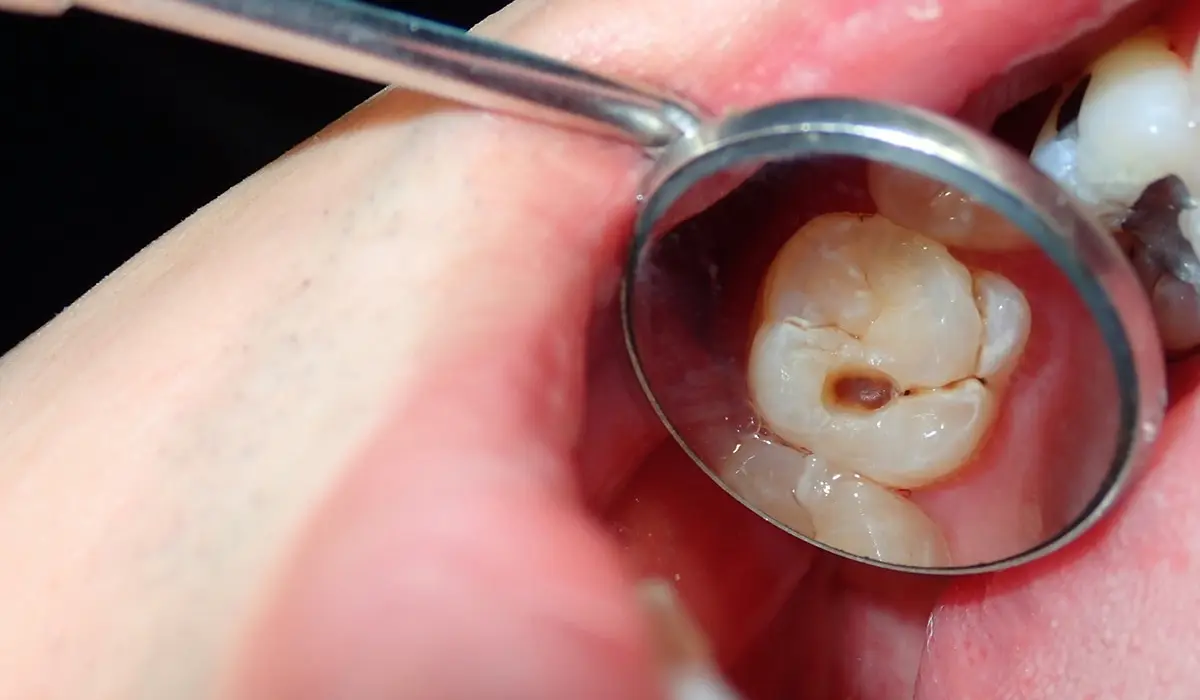
A single bite of a granola bar can do it. One firm chew on a hard cluster, a quick jolt of pain that vanishes the second you let go, and then nothing for hours until you bite down again on that same spot.
That on-and-off jolt is the signature of cracked tooth pain, and it’s the part people misread most. Because the ache isn’t constant, many wait weeks before calling a dentist. That delay is usually the difference between a simple fix and a root canal, and it’s the mistake I want you to skip.
What a Cracked Tooth Actually Is?
A cracked tooth is any break in the hard outer enamel that may run deeper into the dentin or pulp. Some cracks are shallow and harmless. Others split toward the nerve or the root, and those hurt.
Here’s the hard truth I learned the slow way: a cracked tooth does not heal on its own. Bone knits back together; tooth enamel does not. Once a crack starts, it can only stay the same or get worse, which is why “waiting to see if it settles down” rarely works.
Symptoms of a Cracked Tooth
Cracked tooth symptoms can be difficult to recognize because they often come and go. You may feel a sharp pain when biting down, especially when releasing pressure, along with sensitivity to hot or cold foods. The discomfort may seem to move, making it hard to identify the exact tooth. Sweet or sour foods can also trigger pain, and some people notice occasional swelling in the nearby gum.
When symptoms flare on chewing but there’s no obvious hole or dark spot, dentists often call it cracked tooth syndrome. The crack is too fine to see easily, yet the pain is real every time you load that tooth.
A cavity usually aches steadily and shows visible decay. A crack tends to spike on bite-and-release and hides from plain view. If your pain is intermittent and pressure-triggered, a crack is the prime suspect.
What Cracked Tooth Pain Feels Like?
Most people describe it as a quick electric stab, not a dull throb. It’s brief, sharp, and tied to a specific action, usually chewing something firm or breathing in cold air. When the crack reaches the pulp, that stab can turn into a deeper, longer ache that lingers after the trigger is gone. Constant throbbing and swelling point toward infection, which changes the timeline entirely.
Causes of Cracked Tooth Pain
Teeth can crack from repeated pressure and everyday habits. Common causes include biting ice, popcorn kernels, or hard candy, as well as grinding or clenching the teeth during sleep. Large, older fillings may weaken the surrounding enamel, while sports injuries or falls can cause sudden fractures.
Rapid temperature changes, such as drinking ice water immediately after eating something hot, may also place stress on the tooth. Natural wear can further increase the risk as teeth become less flexible with age. These factors commonly lead to back tooth pain, especially when chewing places pressure on a damaged molar.
Grinding deserves a callout. Many patients have no idea they clench at night until a partner mentions the sound or a dentist spots the flattened, worn edges.
Types of Tooth Cracks
Not every tooth crack is an emergency, and the severity depends on how deeply it extends. Craze lines are tiny, painless surface cracks that usually need no treatment. A fractured cusp occurs when part of the tooth breaks, often near a filling, and may cause mild discomfort. A cracked tooth has a vertical fracture that can extend toward the gum line and cause cracked tooth syndrome. A split tooth has separated into distinct sections and requires urgent care. Vertical root fractures begin in the root and move upward, often remaining unnoticed until extraction becomes necessary.
The earlier a crack is caught, the more of the tooth a dentist can save. That’s the whole game.
How Dentists Find a Crack?
Fine cracks don’t always show on X-rays, which frustrates people who expect the film to reveal everything. Instead dentists use a few methods. They may ask you to bite on a small plastic tool to find which cusp triggers pain.
They’ll often use transillumination, shining a bright light through the tooth so a crack shows up as a shadow line. Dye staining and magnification help too. A careful exam beats an X-ray for these.
Home Relief While You Wait for an Appointment
You can calm cracked tooth pain at home, but treat it as a bridge, not a cure. Updated relief guides list around ten remedies, and these are the ones worth your time:
- Warm salt water rinse: dissolve half a teaspoon of salt in warm water and swish to clean the area and ease irritation.
- Cold compress: hold a wrapped ice pack against your cheek for 15 minutes to bring down swelling.
- Over-the-counter pain relief: ibuprofen handles both pain and inflammation well.
- Dental wax: cover a sharp broken edge so it stops cutting your tongue or cheek.
- Chew on the opposite side and skip very hot, cold, or hard foods until you’re seen.
None of this repairs the crack. It just buys you a more comfortable few days.
Treatment Options
Treatment for a cracked tooth depends on how deep the damage extends. Dentists may use bonding or a filling for minor chips and shallow cracks. A dental crown can cover and strengthen a cracked tooth, making it a common treatment for cracked tooth syndrome. Root canal treatment may be necessary when the fracture reaches the pulp and affects the nerve. If the tooth has split and cannot be saved, extraction may be required, sometimes followed by a dental implant.
A crown is the most common outcome I see for a genuinely cracked back tooth, because it holds the segments together and stops the crack from spreading under chewing force.
When to See a Dentist Right Away?
Book an urgent visit if you have swelling of the face or gum, a fever, throbbing that won’t quit, or pain that wakes you at night. Those signal a possible tooth abscess or infection, and that’s not something to ride out. Even without those red flags, any bite-triggered pain that lasts more than a few days deserves a proper look. Knowing when to see a dentist is half the battle with cracks.
Prevention Tips
You can lower your odds. Wear a nightguard if you grind, use a mouthguard for contact sport, and stop chewing ice and pen caps. Don’t crunch popcorn kernels or hard candy on molars. Keep up regular checkups so small cracks get caught before they reach the nerve.
Conclusion
Cracked tooth pain can be easy to dismiss because it may appear only when biting, chewing, or releasing pressure. However, a crack cannot heal on its own and may spread deeper without treatment. Early dental care can often protect the tooth with bonding, a filling, or a crown before the pulp becomes involved.
Seek urgent care if pain becomes constant or is accompanied by swelling, fever, or facial tenderness. Until your appointment, avoid chewing on the affected side, choose softer foods, and use temporary pain-relief measures only as directed.
FAQs
1.Can a cracked tooth heal on its own?
No. Enamel can’t regenerate, so a crack won’t close by itself. Prompt treatment stops it from getting deeper.
2.How do I know if my pain is from a crack or a cavity?
Crack pain is usually sharp and comes and goes with biting. Cavity pain tends to be steadier and shows visible decay.
3.Why does my dentist say the X-ray looks fine?
Fine cracks often don’t appear on X-rays. Dentists rely on bite tests and transillumination to find them instead.
4.Is a cracked tooth an emergency?
Not always, but swelling, fever, or constant throbbing means see a dentist urgently. Those suggest infection.
5.Will I need a root canal?
Only if the crack reaches the pulp. Shallow cracks are often handled with bonding or a crown.
6.How long can I wait to get it treated?
The sooner the better. A crack left alone tends to spread, turning a simple crown into a root canal or extraction.
References
- National Institute of Dental and Craniofacial Research – (NIDCR)